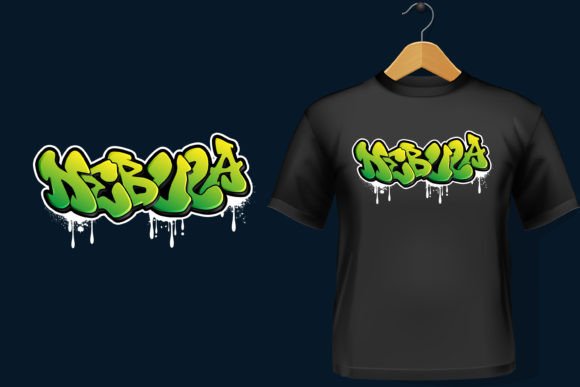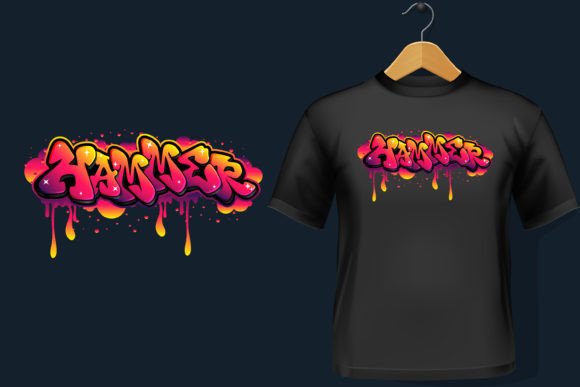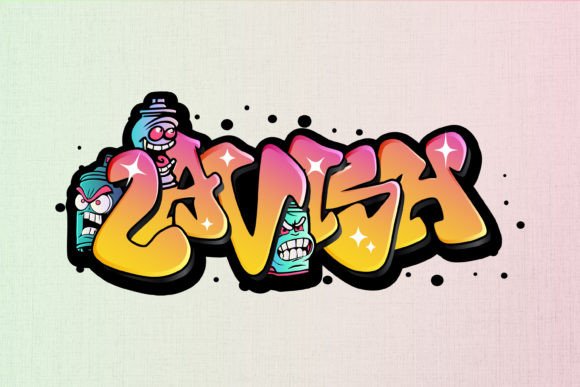
Rag: Graffiti Lettering Embroidery Design
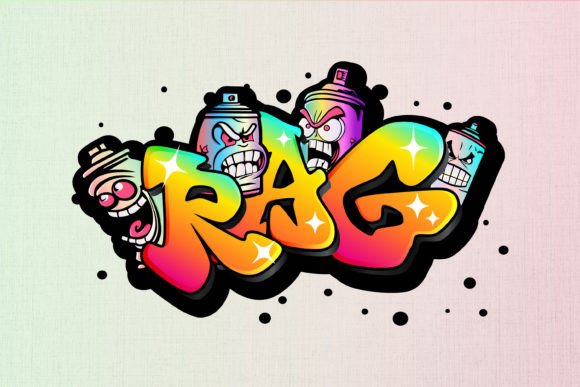
As a designer and embroidery product reviewer, I've evaluated countless machine embroidery designs. Rag stands out as a bold, expressive piece that leans into the world of graffiti lettering typography art. It's not just a design—it's a statement. The visual personality of Rag is raw, edgy, and full of energy. Its layout feels intentional, with a mix of thick and thin lines that suggest movement and attitude. This design would thrive in projects that aim to make an impression, whether on a custom apparel piece or a handmade gift.
First Impressions: A Design That Speaks Volumes
Rag immediately catches the eye with its graffiti-inspired aesthetic. The lettering is stylized, almost like a tag left behind by a street artist. The shape is dynamic, with sharp angles and a sense of asymmetry that gives it a unique feel. It doesn’t look like something you’d find in a traditional embroidery catalog—it’s more of a modern, urban twist on typography. The detail level is decent, with enough variation in line weight to give it depth without being overly complex.
This design would naturally fit into a project like a custom embroidered tote bag or a sweatshirt. It has the kind of presence that works well on larger surfaces where the details can be appreciated. For smaller items like baby clothes or patches, it might need some adjustment to ensure clarity and stitchability.
Real-Life Embroidery Performance
When considering how Rag performs in real-life embroidery situations, there are a few key factors to keep in mind. First, the design’s size and complexity will influence how it translates onto fabric. If you're working on a custom apparel piece, such as a sweatshirt or t-shirt, the design should hold up well with proper stabilizer and thread color contrast. However, if you’re planning to use it on a small hoop, you may need to scale it down or adjust the layout to avoid issues with stitch density.
Rag could also work as an applique design, especially if you're looking to add a layered effect. The bold strokes lend themselves well to satin stitch and fill stitch techniques, which can bring out the texture of the lettering. But if you're aiming for a more subtle look, running stitch might not be the best choice here.
For projects like a baby item or a patch, the design might require some tweaking. Tiny lettering or detailed corners could become lost in the stitching process, especially on thin or stretchy fabrics. It's important to test the design on scrap fabric before committing to a final project.
Where to Use Rag Carefully
While Rag is a strong design, there are certain scenarios where it may not perform as expected. On small hoop sizes, the detail might get compressed or distorted. Textured fabrics can also be a challenge—Rag’s sharp lines may not show up clearly if the fabric has too much grain or nap. Similarly, on dark fabrics, the design might appear less vibrant unless the thread colors are carefully chosen.
Stretchy or thin fabrics can cause the stitches to pull or pucker, especially if the design has dense areas. For curved surfaces like caps or hats, the design may need to be adjusted to accommodate the shape. And for products that see frequent washing, the durability of the embroidery is worth considering—Rag’s intricate elements may wear over time if not properly stabilized.
Impact on Visual Appeal and Customer Perception
Rag has the potential to elevate the visual appeal of any project it’s used on. Its bold, graffiti-style look adds a modern edge that can set a product apart from the competition. When used on a custom apparel piece, it can attract attention and create a sense of uniqueness. For a handmade product, it adds a layer of artistic value that customers often appreciate.
Stitching clarity is crucial when using Rag. If the design is too dense or the thread colors don’t contrast well, it may look muddy or unclear. This can affect customer trust—especially for small business owners or Etsy sellers who rely on high-quality visuals to sell their products. A clean, professional finish is essential for maintaining brand consistency and ensuring that the finished product meets expectations.
From a giftability standpoint, Rag could work well for personalized gifts or holiday items. Its bold style makes it stand out, and it could be a great addition to a boutique product or a small shop merchandise line. However, it’s important to consider the target audience—this design may not resonate with everyone, so it’s best suited for those who appreciate a more edgy, urban aesthetic.
Practical Designer Notes
Before using Rag in your next embroidery project, there are several practical steps to take. First, always test the design on scrap fabric to see how it looks and stitches. Check the thread color contrast to ensure the design pops against the fabric. Review the stitch density to avoid issues with puckering or distortion.
Confirm the hoop size needed for the design, and inspect small details to make sure they’re clear and readable. Test the design in black and white mockups to see how it translates without color. Compare it on light and dark fabric backgrounds to determine the best fit.
Use the right stabilizer for the fabric type, and check whether the design works for both personal and commercial projects. Always confirm the licensing terms before selling finished items or digital products. These steps can help ensure that Rag turns out exactly as intended, whether you're creating a handmade product or a commercial embroidery project.