Lavish: Graffiti Lettering for Embroidery
As a designer who’s spent years working with machine embroidery designs, I’ve seen my fair share of digital files that look great on screen but fall apart in real-world use. Lavish is one of those designs that immediately caught my attention—not just for its bold aesthetic, but for how it could translate into a variety of practical embroidery projects.
The First Impression: Bold and Unapologetic
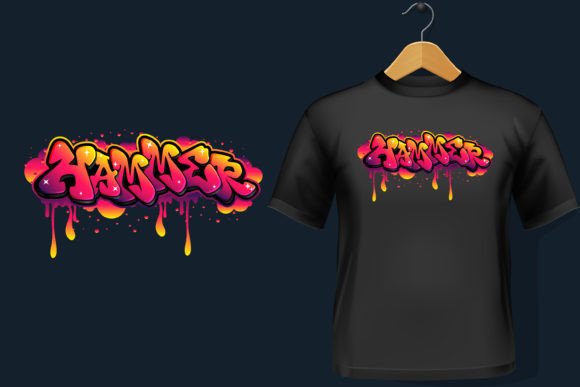
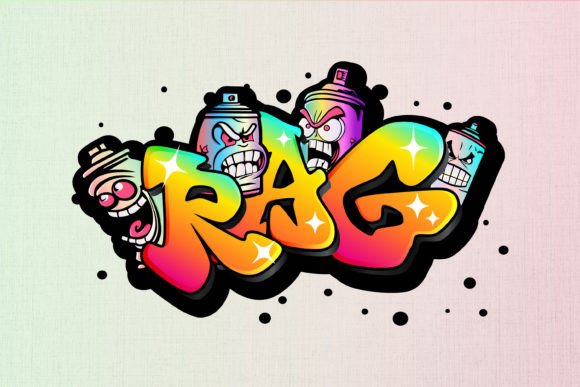
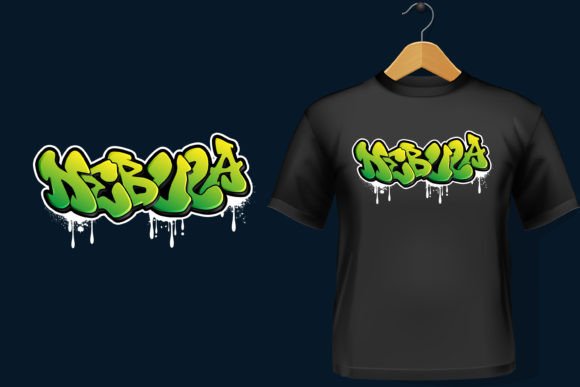
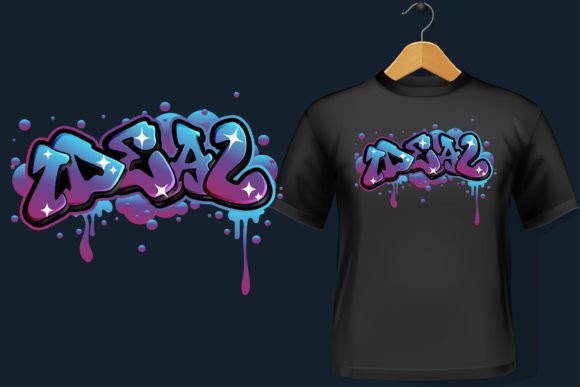
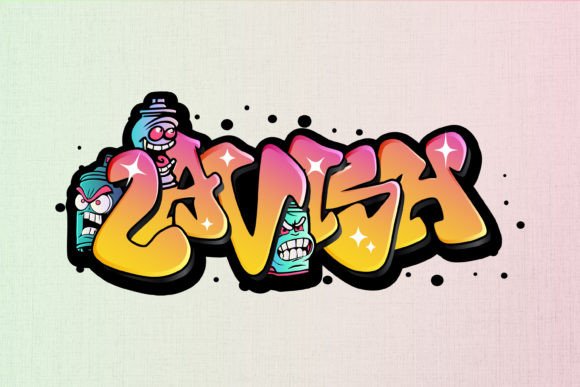
Lavish is a graffiti lettering typography art illustration that exudes energy and attitude. The design has a raw, urban feel that works well for custom apparel, especially when paired with a modern or edgy brand identity. The layout is dynamic, with layered elements and intricate details that make it stand out. It’s not subtle, but that’s part of its charm.
The visual personality of Lavish leans toward the contemporary and expressive. It’s perfect for a statement piece—something that commands attention without needing to shout. The shape and theme suggest it was made for high-impact applications, like a tote bag design or a sweatshirt embroidery that needs to make an impression.
Real-World Use: Where Lavish Shines
When I think about where Lavish would work best, I imagine a custom embroidered tote bag for a small business owner looking to create a unique, eye-catching product. The design’s scale and detail make it ideal for larger hoop sizes, which allows for more intricate stitching without overcrowding the space. It also lends itself well to sweatshirt embroidery, where the boldness of the letters can really pop against a solid background.
Lavish could also be used as an embroidered patch for a jacket or a cap. Its graffiti style gives it a streetwear vibe that many customers would find appealing. For baby items, the design might be a bit too intense, but with some adjustments—like reducing the size or simplifying the details—it could still work as a playful, personalized gift.
One area where Lavish excels is in holiday or wedding gifts. The design’s visual flair makes it suitable for embroidered pillow covers, tea towels, or even personalized blankets. It’s the kind of design that adds character to a handmade product and helps it stand out in a crowded market.
Where to Be Careful: Practical Considerations
While Lavish is visually striking, there are some situations where it may not perform as well. If you’re working with small hoop sizes, the design might need to be resized or split into sections to avoid overloading the machine. Thin or stretchy fabrics could also be a challenge, as the dense stitch areas might cause puckering or distortion.
On dark fabrics, the design’s contrast might be less effective unless you choose the right thread colors. Light-colored backgrounds will highlight the details better, so it’s worth testing the design in both light and dark mockups before committing to a project.
For products that require frequent washing, such as aprons or kitchen towels, the durability of the stitches becomes a concern. Using the proper stabilizer and ensuring the design is securely stitched will help maintain its appearance over time.
Impact on Visual Appeal and Customer Perception
Lavish has the potential to elevate the visual appeal of any embroidered product. Its detailed strokes and layered elements add depth and dimension, making the finished product feel more professional. When used correctly, it can increase the perceived value of a handmade product or a small shop merchandise item.
From a customer perspective, a design like Lavish can be a conversation starter. It’s the kind of embroidery that people notice and remember, which is crucial for brand recognition and buyer engagement. For an Etsy seller or a craft business owner, this kind of design can help differentiate their offerings from the competition.
However, it’s important to manage expectations. Lavish isn’t a one-size-fits-all solution. Its boldness might not align with every brand or project, and it requires careful execution to ensure it looks good on the final product.
Embroidery Designer Notes: Testing and Preparation
Before using Lavish in a client project or a commercial embroidery job, I recommend testing it on scrap fabric first. This will help you see how the design translates in real life and identify any potential issues with stitch density or fabric compatibility.
Check the thread color contrast carefully. Some designs look great in black and white but may not work as well in color. Reviewing the stitch density will also help you determine if the design is suitable for your machine and the type of fabric you’re using.
Make sure the hoop size is appropriate for the design. If the design is too large for your hoop, you may need to adjust it or break it into smaller sections. Inspecting small details is also essential—especially with a design that has intricate corners or tiny lettering.
Testing the design in black and white mockups can give you a better sense of how it will look on different fabric backgrounds. Comparing it on light and dark fabrics will help you decide which options are most effective.
Finally, always use the right stabilizer for the fabric you’re working with. This will prevent puckering and ensure the design stays in place after multiple washes. Confirm that the design is suitable for both personal and commercial use, and check the licensing terms before selling finished items or digital products.
Conclusion: A Design That Demands Attention
Lavish is a strong, expressive embroidery design that has the potential to make a big impact. It’s ideal for custom apparel, tote bags, patches, and other creative projects where bold visuals matter. However, it requires thoughtful application and preparation to ensure it looks its best on the final product.
For embroidery designers, small business owners, and crafters, Lavish offers a unique opportunity to create standout pieces that reflect a distinct artistic vision. With the right approach, it can become a valuable addition to your design assets and a reliable choice for a wide range of embroidery projects.