Adept: Graffiti Lettering Review
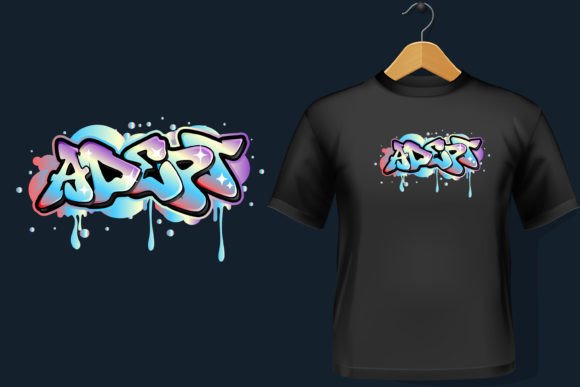
As an embroidery designer and product reviewer, I’ve seen my fair share of digital designs. Adept caught my attention with its bold graffiti lettering and typography art illustration. It’s not just another graphic—it’s a statement. The design feels raw, edgy, and full of personality. But how does it hold up in real embroidery projects? Let’s break it down.
The First Impression
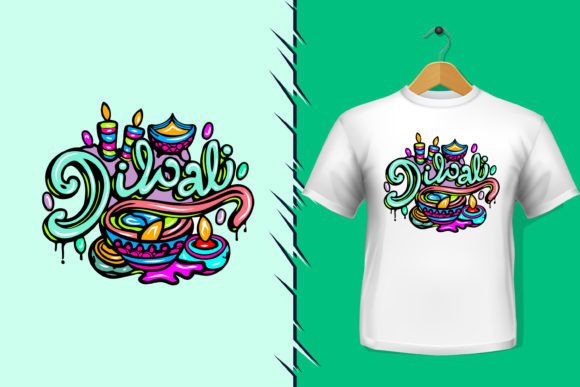
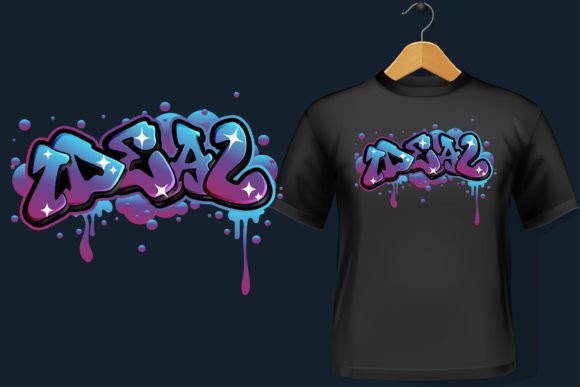
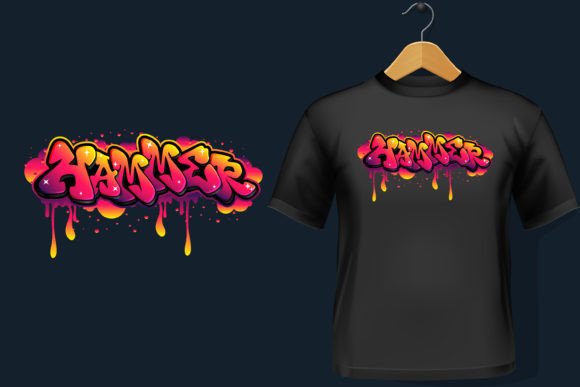
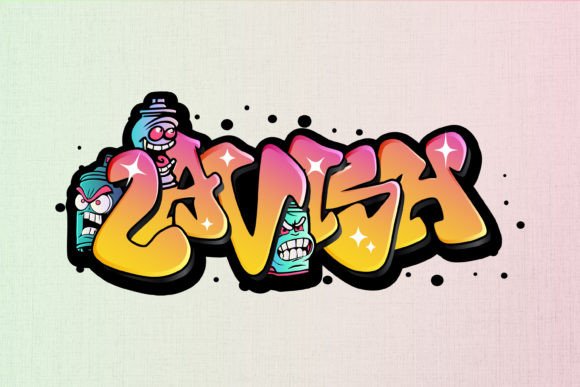
Adept immediately conveys a sense of urban energy. The graffiti style is unmistakable—thick strokes, sharp angles, and a rebellious vibe. The layout is clean but dynamic, making it ideal for custom apparel, tote bags, or even baby items that need a little edge. The detail level is impressive for a machine embroidery design, especially when considering the complexity of graffiti lettering.
The visual personality of Adept makes it perfect for projects that aim to stand out. Whether it’s a sweatshirt for a music festival or a personalized gift for a friend, this design has the potential to make a lasting impression.
Real-Life Embroidery Use Cases
Imagine you’re preparing a custom embroidered tote bag for a client. Adept could be the perfect centerpiece. Its bold lines would translate well into satin stitch and fill stitch, giving the design a professional look. However, the density of the design might require careful planning to avoid puckering on lightweight fabrics.
For small business owners and Etsy sellers, Adept could be a strong addition to a T-Shirt Designs collection. It’s versatile enough to work on both light and dark fabrics, but the contrast between thread colors and fabric background needs close attention. A white thread on a black shirt might pop, while a darker thread on a light background could get lost.
In the realm of baby items, Adept might be too aggressive for some. But if the goal is to create a unique nursery decor piece, the design could work with a softer color palette and careful stitching.
Where Adept Needs Careful Handling
While Adept is visually striking, it’s not without its challenges. Small hoop sizes could limit the ability to stitch the entire design at once. If you’re working on a cap or a curved surface, you may need to split the design into sections, which can affect the overall cohesion.
Thin or stretchy fabrics might struggle with the dense stitch areas in Adept. A proper stabilizer is essential here. Also, the detailed corners and tiny lettering could become distorted if the stitch density isn’t adjusted properly.
For commercial embroidery projects, especially those involving layered garments or products that see frequent washing, Adept’s durability should be tested. Some intricate details might fade or wear over time, depending on the fabric and thread choices.
Impact on Visual Appeal and Customer Perception
Adept has the potential to elevate the visual appeal of any finished product. Its boldness can make a handmade product feel more premium, which is great for craft businesses looking to stand out. However, the design’s intensity might not suit all audiences. It’s important to consider the target market before deciding to use it in a project.
When it comes to customer trust and brand consistency, Adept could be a double-edged sword. If used correctly, it adds a unique touch that resonates with the right audience. But if the execution is off, it could turn off potential buyers who expect a polished look.
For giftability, Adept works best as a personalized item. A custom embroidered apron or a holiday-themed pillow cover featuring this design could be a hit. Just make sure the design complements the purpose of the item.
Practical Designer Notes
Before committing to Adept, test it on scrap fabric. This will help you understand how the stitches behave on different materials. Check the thread color contrast carefully—some colors might not show up as expected on certain backgrounds.
Review the stitch density and adjust it if needed. Dense areas might require additional stabilizer or a different stitch type. Confirm the hoop size required for your machine to avoid unnecessary complications.
Inspect small details closely. Tiny lettering or intricate patterns could be challenging to execute perfectly. Test the design in black and white mockups to see how it looks without color. Compare it on both light and dark fabric backgrounds to ensure visibility.
If you’re using Adept for commercial purposes, make sure the licensing allows for it. Confirm whether it’s suitable for both personal and commercial projects. Always check the file formats provided—AI, EPS, SVG, and PNG are all useful, but their compatibility with your embroidery software may vary.
Final Thoughts
Adept is a strong contender for designers looking to add a graffiti-inspired element to their work. It’s versatile, expressive, and full of character. However, it’s not a one-size-fits-all solution. Its success depends on how it’s applied, the materials used, and the intended audience.
For those who appreciate bold, artistic designs, Adept offers a fresh approach to embroidery. But like any machine embroidery design, it requires thoughtful execution to achieve the desired result. Whether you’re creating a custom apparel piece or a digital product for sale, Adept is worth considering—but only after a thorough evaluation.