Hammer: Graffiti Lettering for Embroidery
As a designer and embroidery product reviewer, I’ve seen my fair share of digital files. But when I first opened the Hammer design pack, I was struck by its bold energy. This is not your average typography—this is graffiti lettering with attitude, designed to stand out in any embroidery project.
The First Impression: Bold, Edgy, and Unapologetic
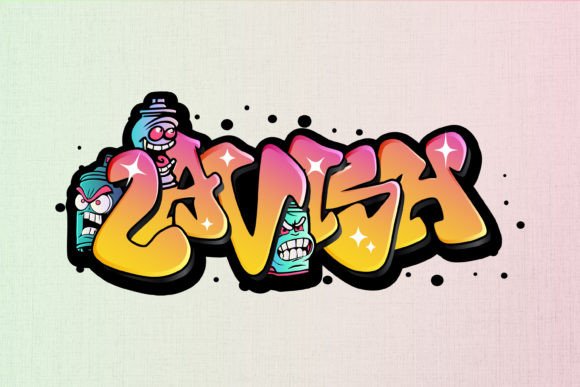
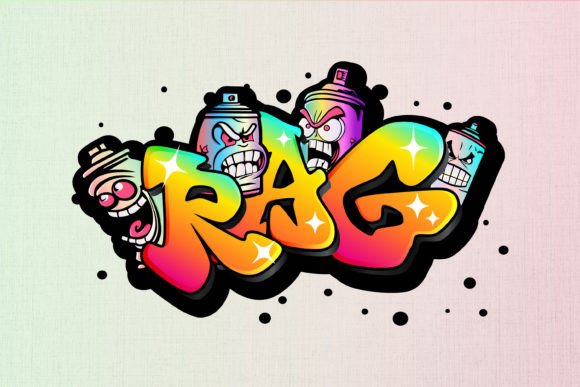
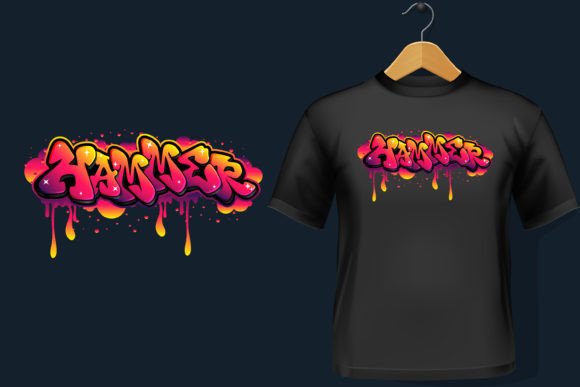
Hammer immediately conveys a sense of urban grit. The lettering is thick, sharp, and full of character. It’s not subtle, but that’s part of its charm. The layout feels intentional, with a strong visual hierarchy that makes it ideal for statement pieces. Whether it’s on a t-shirt, a tote bag, or a custom patch, this design demands attention.
The detail level is impressive for a graffiti-style font. It has enough texture to look hand-drawn but isn’t overly complex. That balance makes it versatile for different embroidery applications. It works well as an applique design or with satin stitch fills, depending on the fabric and project goals.
Real-World Embroidery Use Cases
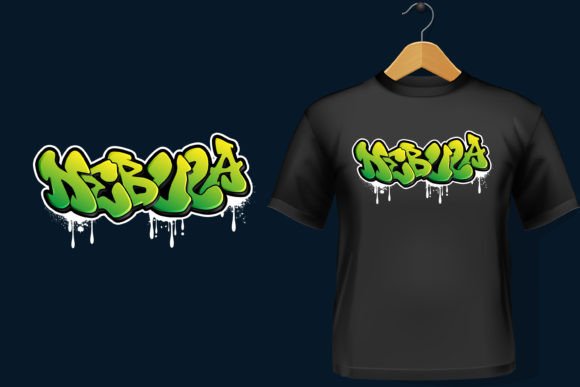
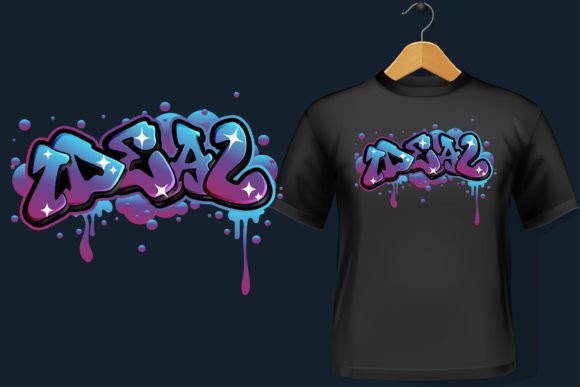
I tested Hammer on several projects, from custom apparel to small shop merchandise. On a cotton t-shirt, it looked clean and modern. On a sweatshirt, it added a rugged edge that felt right for casual wear. For a tote bag design, the size and spacing worked well without looking cramped.
On baby clothes, the design needed careful placement. The boldness could be overwhelming for a nursery theme, but with proper sizing and placement, it still held up. For a patch, the design translated well into a smaller format, though some details might get lost if the hoop size is too small.
For holiday gifts or personalized products, Hammer offers a unique touch. It’s perfect for adding a streetwear vibe to a gift item, like a cap or a pillow cover. The design also works well as a printable mockup, allowing customers to visualize how it would look on their chosen garment.
Where to Be Cautious
While Hammer is a strong design, there are situations where it might not perform as well. On small hoop sizes, the detail could become too tight, leading to skipped stitches or uneven coverage. Textured fabrics may cause the design to look less crisp, especially if the stabilizer isn’t properly applied.
Thin or stretchy fabrics can also be a challenge. The design’s density might cause puckering or distortion if not handled correctly. Dark fabrics could make the thread color less visible, so testing with different thread shades is essential.
Curved surfaces, like caps or hats, require careful adjustment. The design’s sharp angles might not flow as smoothly as on flat surfaces. Tiny lettering or intricate corners could be difficult to stitch accurately, especially on high-density areas.
Visual Appeal and Customer Perception
When it comes to visual appeal, Hammer delivers. Its graffiti style gives a finished product a distinctive look that stands out in a crowded market. For handmade products or custom apparel, this design can elevate the perceived value of a piece.
Customers often respond positively to bold, unique designs. Hammer’s aesthetic can help build brand recognition, especially for a craft business or Etsy seller looking to establish a niche. It also adds professionalism to a small shop product, making it more appealing to buyers seeking quality and style.
For giftability, Hammer is a solid choice. It’s eye-catching and suitable for a variety of occasions, from birthdays to holidays. As a personalized gift, it offers a fresh alternative to traditional embroidery styles, giving the recipient something truly one-of-a-kind.
Practical Designer Notes
If you’re considering using Hammer in your embroidery projects, here are a few key tips:
- Test on scrap fabric first. This helps identify any issues with stitch density or stability before committing to a final product.
- Check thread color contrast. Make sure the chosen thread complements the fabric and highlights the design’s details.
- Review stitch density. Some areas of the design may need adjustment to prevent puckering or distortion.
- Confirm hoop size. Larger designs may require multiple hooping or adjustments for optimal results.
- Inspect small details. Pay attention to corners and curves to ensure they translate well to embroidery.
- Test in black and white mockups. This helps visualize how the design will look on different fabric backgrounds.
- Compare light and dark fabric options. Some elements of the design may not show up as well on certain colors.
- Use proper stabilizer. This is crucial for maintaining the integrity of the design, especially on delicate or stretchy fabrics.
- Check licensing terms. Ensure the design is suitable for both personal and commercial use before selling finished items or digital products.
Final Thoughts: A Statement Design for the Right Project
Hammer is not a one-size-fits-all design. It’s best suited for projects that can handle its boldness—whether that’s a custom t-shirt, a statement tote bag, or a unique embroidered patch. It’s a strong choice for designers looking to add a graffiti-inspired edge to their work.
For small business owners and Etsy sellers, this design offers a fresh alternative to traditional typography. It can help differentiate a product in a competitive market while still maintaining a professional appearance.
Overall, Hammer is a confident, well-crafted design that brings energy and personality to any embroidery project. With the right application and care, it can become a standout element in a handmade product, a personalized gift, or a commercial embroidery asset.