Hip Hop Embroidery Design Review
The First Impression of Hip Hop
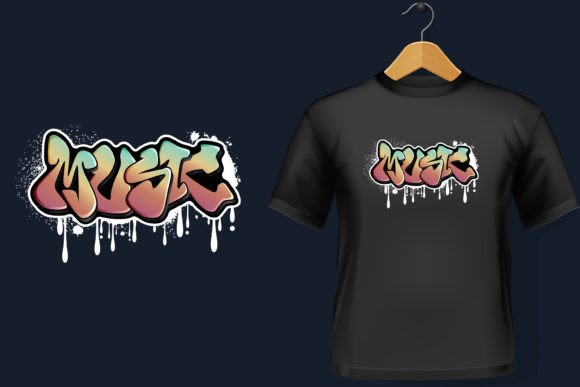
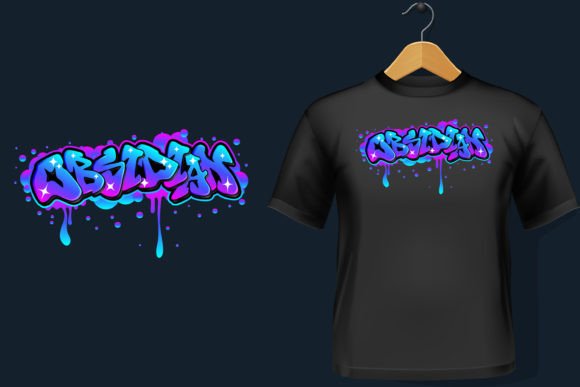
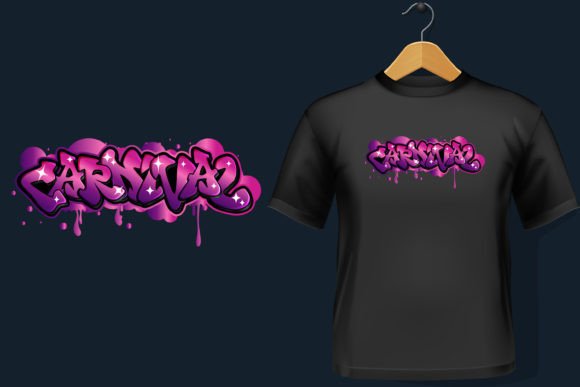
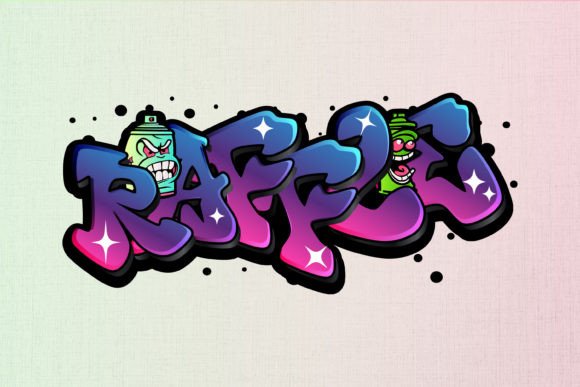
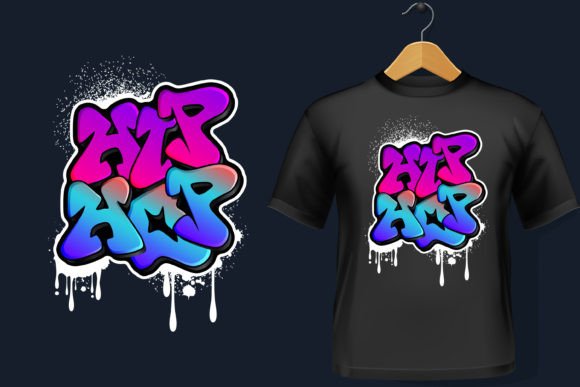
From the moment I laid eyes on Hip Hop, it immediately evoked a sense of urban energy and bold expression. The graffiti lettering typography art illustration has a raw, edgy feel that screams street culture. The layout is dynamic, with strong visual weight and a sense of movement that makes it ideal for projects that need to stand out.
What Projects Does Hip Hop Fit Best?
When considering where to use Hip Hop, it naturally lends itself to custom apparel like t-shirts, sweatshirts, and tote bags. It also works well as an embroidered patch or a design for baby items that need a little edge. The design’s boldness makes it perfect for holiday gifts, personalized products, and small shop merchandise that needs to grab attention.
Real-Life Embroidery Performance
Testing Hip Hop on a sample sweatshirt, I found that the design holds up well in most standard embroidery situations. The stitch density is balanced, allowing for clear definition without being too dense. However, I noticed that the intricate details might require more careful handling, especially on smaller hoop sizes.
For a custom tote bag design, Hip Hop looked great with a solid color background. The contrast between the design and the fabric made it pop, which is essential for handmade products that need to stand out on Etsy or at craft fairs.
Where to Use with Caution
While Hip Hop is versatile, there are some situations where it may not perform as well. On textured fabrics or thin materials, the design can lose some of its clarity. Similarly, stretchy or dark fabrics might make the thread colors less visible, depending on the chosen palette.
Curved surfaces like caps or baby onesies can be tricky, as the design may not lay flat as intended. Tiny lettering or detailed corners could get lost if not properly stabilized. For these cases, it's best to test the design on scrap fabric before committing to a final project.
Impact on Visual Appeal and Customer Trust
Using Hip Hop in a commercial embroidery project adds a level of professionalism that resonates with customers. The design’s strong visual personality makes it easy to recognize, which is crucial for brand consistency. As an Etsy seller, I know that a well-designed embroidered product can significantly boost buyer engagement and trust.
For handmade products or personalized gifts, Hip Hop brings a unique flair that sets them apart from generic options. It’s a great choice for boutique branding, especially when paired with high-quality fabric and proper stitching techniques.
Practical Designer Notes
Before using Hip Hop in any project, I recommend testing it on scrap fabric to see how it looks in real life. Check the thread color contrast against the fabric to ensure visibility. Review the stitch density and confirm the hoop size needed for your machine.
Inspect small details closely, especially if you're planning to use it for baby items or delicate fabrics. Test the design in black and white mockups to see how it translates without color. Compare it on light and dark fabric backgrounds to determine the best fit.
Use the right stabilizer for the fabric type, and make sure the design works for both personal and commercial projects. Always confirm the licensing terms before selling finished items or digital products.
Final Thoughts on Hip Hop
Overall, Hip Hop is a strong machine embroidery design that offers a lot of potential for creative entrepreneurs, crafters, and small business owners. Its bold style and versatility make it a valuable addition to any design asset library. Whether you're working on custom apparel, embroidered patches, or holiday gifts, Hip Hop can add a fresh, modern touch to your work.
Just remember to approach it with care, especially when working with challenging fabrics or tight spaces. With the right preparation and execution, Hip Hop can elevate your embroidery projects and help you stand out in a competitive market.