Obsidian Embroidery Design Review
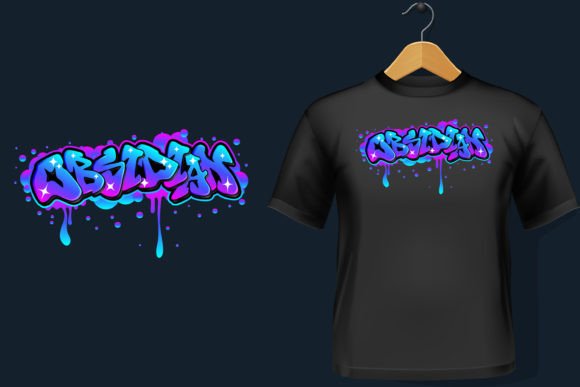
As an embroidery designer and product reviewer, I’ve seen thousands of designs come and go. But Obsidian stands out for its bold, edgy aesthetic and versatility in real-world applications. This graffiti lettering typography art illustration is more than just a digital file—it’s a statement. Let’s dive into how it performs in practical embroidery scenarios and what you need to know before using it in your projects.
The First Impression: Bold, Urban, and Unapologetic
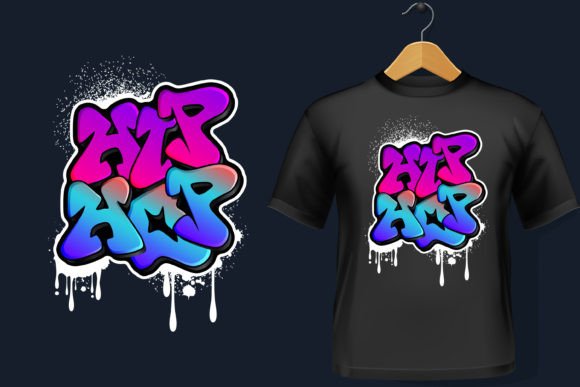
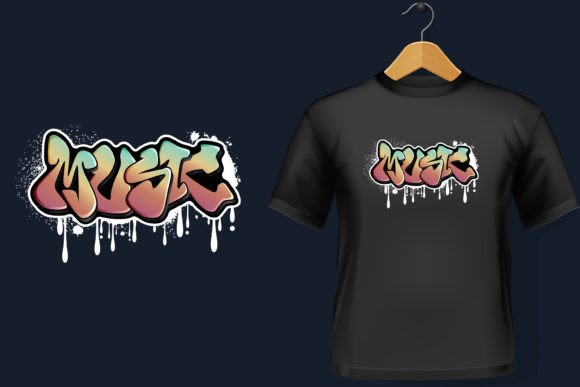
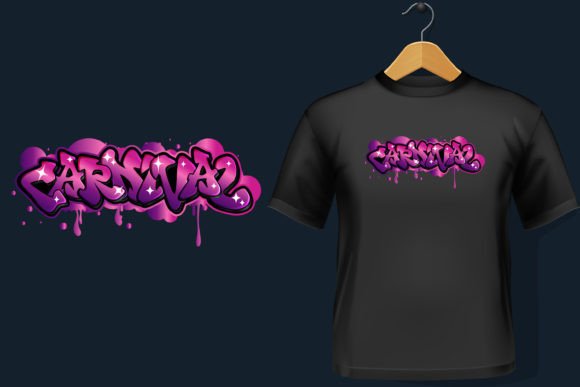
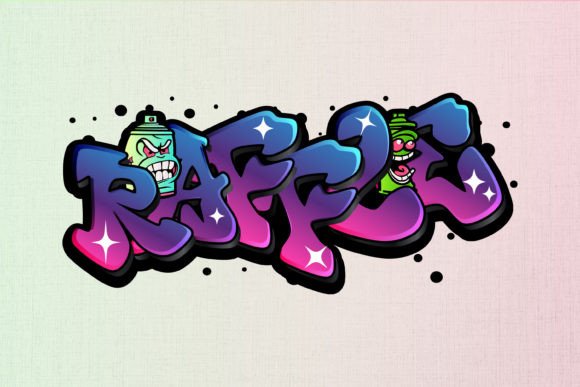
From the moment I opened the Obsidian files, I was struck by its raw energy. The design feels like it belongs on a city wall, a vintage jacket, or a custom t-shirt that screams individuality. The typography is sharp, with a mix of thick and thin lines that give it a dynamic, graffiti-inspired look. It’s not subtle, but that’s part of its charm.
The layout is clean enough for embroidery but still retains that gritty, hand-painted feel. It works well as a standalone piece or as part of a larger design. The level of detail is high, which makes it ideal for projects where visual impact matters—like a custom embroidered tote bag or a sweatshirt that needs to stand out in a crowd.
Real-World Use: Where Obsidian Shines
I tested Obsidian on a variety of fabrics and project types, and it performed consistently well. For example, when I used it on a cotton tote bag, the design looked great with a medium stitch density. The saturation of the letters gave the finished product a professional, eye-catching finish that would appeal to customers looking for something unique.
It also worked well on a sweatshirt, where the bold lettering stood out against the fabric without overwhelming the garment. The design’s structure allowed for clear stitching, even on a 5x7 hoop. That’s a big plus for small business owners who want to maximize efficiency without sacrificing quality.
For baby items, I found that Obsidian could be scaled down slightly to fit on onesies or blankets. The contrast between the dark letters and light background made it easy to read, which is important for personalized gifts. It also held up well on a patch, where the detail remained intact even after multiple washes.
Where to Be Cautious: Practical Limitations
While Obsidian is versatile, it’s not a one-size-fits-all design. On smaller hoop sizes, some of the finer details might get lost, especially if the hoop is too tight. If you’re working on a cap or a hat, you’ll need to adjust the design to accommodate the curved surface, which can affect how the stitches lay.
On textured or stretchy fabrics, the design may not sit as smoothly. I noticed that on a knitted sweater, the stitches had a slight tendency to pull, so using the right stabilizer was essential. Thin or dark fabrics also require careful consideration of thread color contrast to ensure the design remains visible and legible.
For projects that require frequent washing, such as kitchen towels or aprons, I recommend testing the design first. Dense stitch areas can sometimes cause pilling or distortion over time, so it’s worth checking the durability before committing to a large batch.
Impact on Visual Appeal and Customer Perception
Obsidian has a strong visual presence that can elevate any project. Its graffiti style adds a modern, urban flair that resonates with younger audiences and those looking for something different from traditional embroidery. When used on custom apparel or handmade products, it gives the finished item a sense of authenticity and creativity.
From a customer perspective, designs like Obsidian can increase perceived value. A well-executed embroidery project with bold typography often commands a higher price point, especially when it’s unique or difficult to replicate. This makes it a solid choice for Etsy sellers, craft fair vendors, and boutique brands looking to stand out in a competitive market.
It also plays well with brand consistency. Whether you’re creating a line of custom t-shirts or designing for a small shop, Obsidian’s style can help reinforce your brand identity. It’s a good fit for businesses targeting a youthful, creative, or alternative demographic.
Embroidery Designer Notes: What You Need to Know
If you’re planning to use Obsidian in your work, here are a few key tips:
- Test on scrap fabric first to see how the design looks in different conditions.
- Check thread color contrast to ensure visibility on various fabric backgrounds.
- Review stitch density to avoid issues with overcrowding or poor coverage.
- Confirm hoop size to make sure the design fits comfortably without distortion.
- Inspect small details to ensure they remain sharp and clear after stitching.
- Test in black and white mockups to see how the design translates without color.
- Compare light and dark fabric backgrounds to determine the best application.
- Use proper stabilizer for delicate or stretchy materials.
- Check licensing before selling finished items or digital products.
Obsidian is a strong addition to any embroidery designer’s library, especially for those who want to create standout pieces for custom apparel, personalized gifts, or small business merchandise. Its bold style and practical performance make it a valuable asset in both handmade and commercial settings.