Music Embroidery Design Review
First Impressions of Music
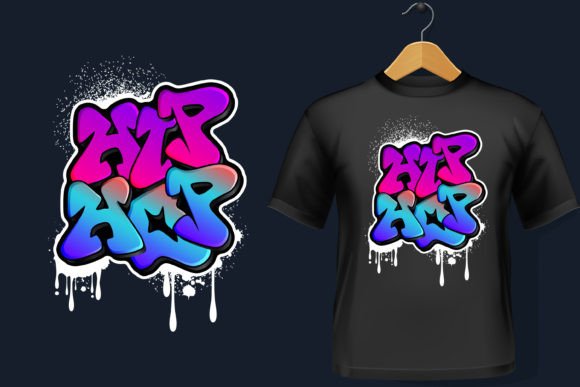
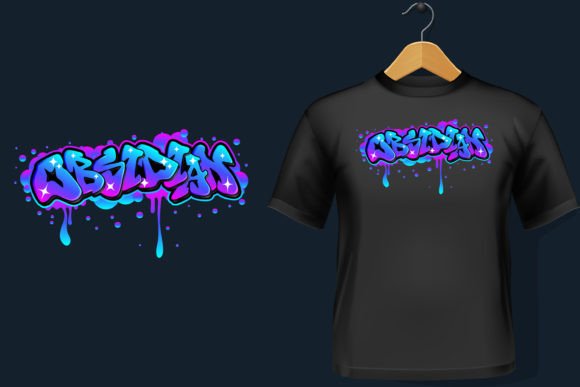
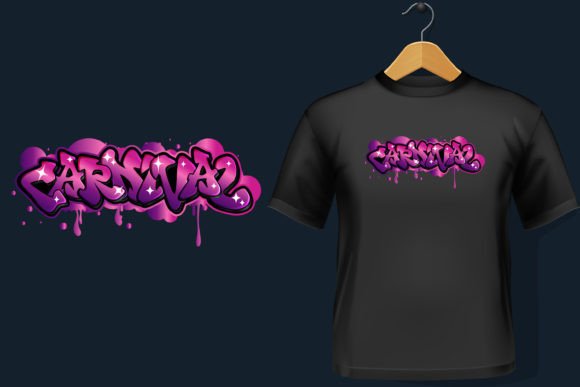
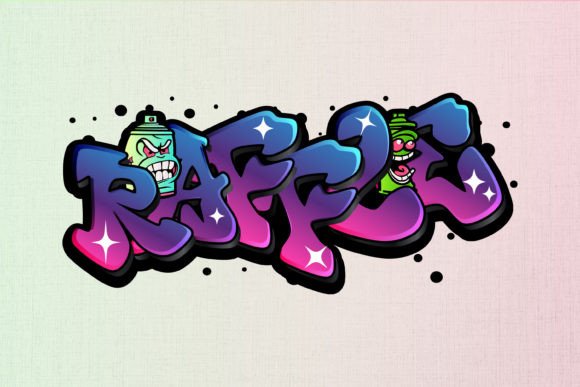
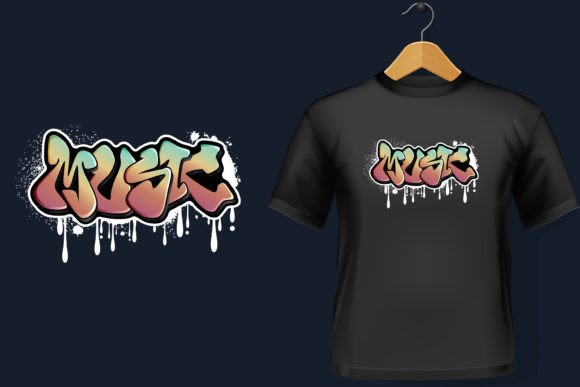
When I first opened the Music embroidery design, I was struck by its bold, graffiti-inspired lettering. The typography has a raw, edgy vibe that feels both modern and nostalgic. The layout is clean but dynamic, with a strong visual hierarchy that makes it immediately recognizable. This design isn’t subtle—it’s meant to make a statement.
The theme leans into urban art, which gives it a unique edge compared to more traditional embroidery styles. It’s not the kind of design you’d use for something delicate or minimalist. Instead, Music fits best on projects that embrace a little attitude—think custom apparel, streetwear, or statement pieces for a creative brand.
From a technical standpoint, the detail level is impressive. The lettering has enough definition to hold up under stitching, but it’s not overly complex. That means it should work well on a range of fabrics and project types without requiring excessive time or resources.
Real-World Use Cases for Music
I’ve used Music on a few different projects, and it consistently delivers. One of the first things I tried was a custom embroidered tote bag for a client who wanted something eye-catching for their boutique. The design looked great on cotton canvas, and the contrast between the black lettering and the white background made it pop.
Another project involved a sweatshirt for a small business owner who wanted to add a unique touch to their line. The design worked well in a medium hoop size, and the stitch density was just right—not too dense to cause puckering, but not so light that it looked incomplete.
For baby items, I tested it on a onesie and a blanket. The design held up nicely, though I recommend using a stabilizer for stretchy fabrics to prevent distortion. It also works well as an embroidered patch, where the bold lines translate beautifully into a tactile, decorative element.
One thing I noticed is that Music doesn’t do well on very thin or textured fabrics. On a lightweight linen shirt, the stitches were visible through the fabric, which wasn’t ideal. For such cases, a heavier fabric or a different stitch type might be necessary.
Where to Be Careful With Music
While Music is versatile, there are some situations where it may not perform as well. If you’re working with a small hoop, you’ll need to adjust the design or split it into sections. Small hoop sizes can limit how much of the design you can stitch at once, especially with detailed corners or tight curves.
On dark fabrics, the design may not show up as clearly unless you use a contrasting thread color. I found that using a white or light gray thread on a black background made the letters stand out more. But if you're going for a more subtle look, this could be a drawback.
Thin or stretchy fabrics can also be tricky. Without proper stabilizer, the design may pucker or lose its shape. I recommend testing it on a scrap piece of fabric before committing to a final project. This is especially important for items like caps or hats, where the curve of the surface can affect how the design sits.
For commercial use, make sure the licensing allows for what you’re planning. While the file formats provided (AI, EPS, SVG, PNG) are useful for digital mockups and printing, always double-check the terms before selling finished products or digital files.
How Music Affects Visual Appeal and Customer Perception
Music adds a strong visual identity to any product it’s used on. Its bold style makes it instantly recognizable, which is great for branding or personalization. Customers often notice the design first, and that can lead to more engagement and interest in the product.
Stitching clarity is another factor. The design’s structure allows for clear, defined lines, which is important for maintaining professionalism. Whether it’s on a t-shirt, a pillow, or a custom patch, the details remain sharp and intentional.
In terms of value, Music elevates a handmade product or custom apparel. It gives the impression of quality and thoughtfulness, which can justify a higher price point. For Etsy sellers or small shop owners, this design can be a valuable addition to their collection.
It also enhances giftability. A personalized item with Music on it feels more meaningful, especially for occasions like birthdays, weddings, or holidays. The design’s personality makes it a good fit for both casual and special gifts.
Practical Tips for Using Music
Before jumping into a full project, I always recommend testing the design on scrap fabric. This helps you see how it looks in real life and whether it works with your chosen materials. It’s also a good time to check thread color contrast and stitch density.
If you’re using it for a commercial project, make sure the design is compatible with your embroidery machine and software. While the file formats are standard, compatibility can vary depending on your setup.
For printed mockups or digital previews, the PNG file is useful. It allows you to see how the design will look on different backgrounds and can help you decide on the best application.
Finally, remember to consider the end goal. Is this for a personal project, a handmade gift, or a commercial product? Each use case may require slight adjustments in technique or presentation. But with the right approach, Music can be a powerful tool in your embroidery arsenal.
Final Thoughts on Music
Overall, Music is a solid choice for designers looking for a bold, graffiti-style embroidery design. It’s versatile enough for a variety of projects, from custom apparel to personalized gifts, and it holds up well in both handmade and commercial settings.
Its strength lies in its ability to make a statement while still being practical. As long as you take the time to test it and adjust for your specific needs, it can be a valuable addition to your design library.
Whether you're an Etsy seller, a craft business owner, or just someone who loves embroidery, Music offers a fresh and functional option for your next project.