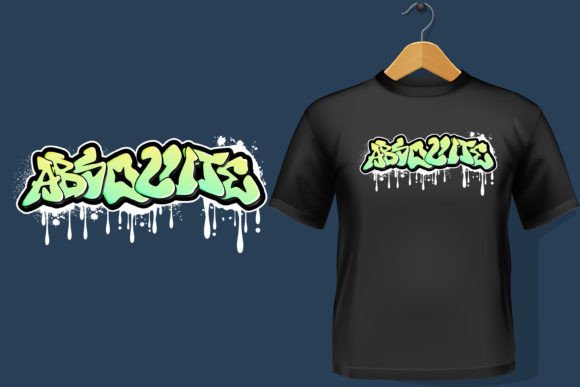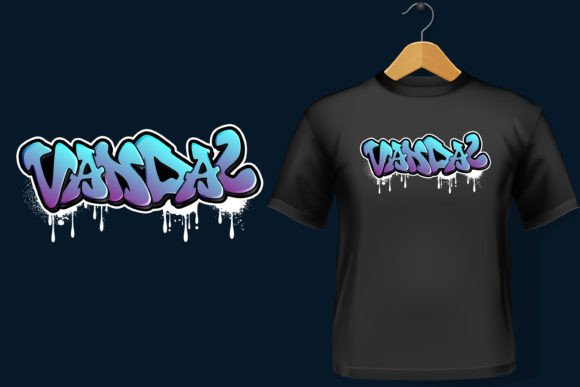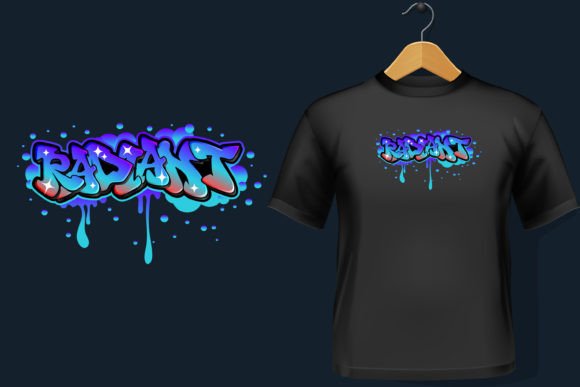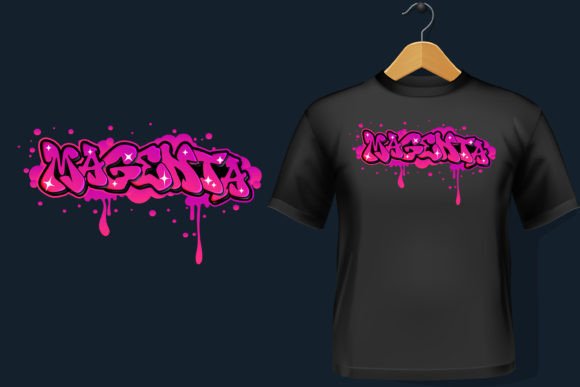
Paradox: Bold, Edgy, and Ready for Embroidery
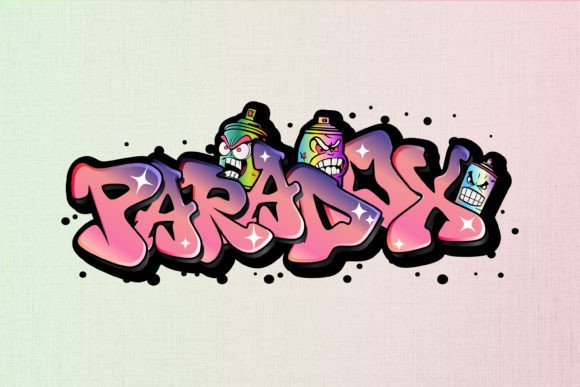
As a designer who’s worked with countless embroidery files over the years, I always start by asking myself: does this design feel like it was made for real-world use? Paradox, a graffiti lettering typography art illustration, immediately caught my attention with its raw energy and modern aesthetic. It’s not just another set of letters—it’s a statement. But how does it hold up when stitched onto fabric? Let’s break it down.
The First Impression: A Design That Demands Attention
Paradox has a bold, rebellious vibe that screams “I’m different.” The typography is sharp, with a rough-edged feel that gives it an authentic graffiti look. The layout feels balanced yet edgy, making it ideal for custom apparel, especially in the T-Shirt Designs category. It’s not subtle, but that’s part of its charm. This isn’t a design for someone looking for minimalism—it’s for those who want to make a visual impact.
The detail level is high enough to stand out on larger surfaces, but it also has enough negative space to avoid looking cluttered. If you’re planning to use it on a sweatshirt, tote bag, or even a baby onesie, Paradox could work—but only if the project allows for its intensity.
Real-World Embroidery Use: Where Paradox Shines
Paradox fits naturally into projects that need a strong visual presence. Think of a custom embroidered tote bag for a boutique shop, a bold sweatshirt design for a small business, or a unique apron for a craft fair. Its graphic nature makes it perfect for commercial embroidery, where eye-catching designs are key to standing out in a crowded market.
For Etsy sellers or handmade shop owners, Paradox could be a valuable addition to your digital product library. It’s versatile enough to work as a printable mockup or a downloadable embroidery file. The inclusion of AI, EPS, SVG, and PNG files means it can be used across multiple platforms and software, which is a big plus for designers who work with various tools.
When it comes to stitching, Paradox likely uses a combination of satin stitch and fill stitch to create its signature texture. The design’s structure suggests it would work well with a medium to large hoop size, which is important for maintaining clarity and avoiding distortion.
Where to Be Cautious: Potential Pitfalls with Paradox
While Paradox is impressive, it’s not without its challenges. If you’re working with small hoop sizes, this design might be too detailed to fit comfortably. Similarly, if you’re trying to stitch it onto thin or stretchy fabrics, you may run into issues with thread tension or fabric puckering.
Dark fabrics could also be a concern. The contrast between the design and the background needs to be strong enough to make the graffiti style pop. If the thread color doesn’t stand out, the entire look could be lost. Testing on scrap fabric before committing to a client project is essential.
Another thing to consider is the design’s density. If Paradox has areas with heavy stitch coverage, it could cause the fabric to become stiff or uncomfortable, especially on items like baby clothes or clothing that requires frequent washing. You’ll want to check the stitch density and possibly adjust it if needed.
How Paradox Affects Your Finished Product
From a design perspective, Paradox adds value to any project it’s used in. It brings a sense of uniqueness and personality that can elevate a simple t-shirt into something special. For small business owners or crafters, this kind of design can help differentiate your products from competitors.
When it comes to customer trust and brand consistency, Paradox offers a strong visual identity. It’s the kind of design that customers will remember, especially if it’s used across multiple products in your shop. Whether it’s a holiday gift, a personalized item, or a piece of nursery decor, Paradox can add a touch of creativity that resonates with buyers.
But don’t forget—this is a machine embroidery design, and its success depends on how well it’s executed. Even the best design can fall flat if the stitching is off or the stabilizer isn’t right. Always test it first, especially if you’re using it for commercial purposes.
Practical Designer Notes: What to Keep in Mind
Before jumping into a project with Paradox, here are a few things to keep in mind:
- Test the design on scrap fabric to see how it looks in real life.
- Check thread color contrast against the fabric you plan to use.
- Review the stitch density to ensure it won’t cause stiffness or discomfort.
- Confirm the hoop size required for the design to avoid cropping or distortion.
- Inspect small details to make sure they’re clear and consistent.
- Try it in black and white mockups to see how it translates without color.
- Compare it on light and dark fabric backgrounds to ensure visibility.
- Use the proper stabilizer to prevent puckering or shifting during stitching.
- Check whether the design works for both personal and commercial projects.
- Confirm the licensing terms before selling finished items or digital products.
Paradox is a strong contender for anyone looking to add a fresh, edgy design to their collection. It’s not for every project, but when used correctly, it can make a big impact. Whether you’re an embroidery designer, a small business owner, or a craft entrepreneur, Paradox offers a unique opportunity to create something that stands out.