Neon: Bold, Bright, and Ready for Embroidery
As an embroidery designer with years of experience, I’ve seen countless designs come and go. But when I first laid eyes on the Neon embroidery design, I knew it had a unique energy that could elevate a project from ordinary to unforgettable. This graffiti lettering typography art illustration isn’t just another graphic—it’s a statement. Whether you’re working on custom apparel, handmade gifts, or boutique merchandise, Neon has the potential to make a strong visual impact.
The First Impression: A Visual Jolt
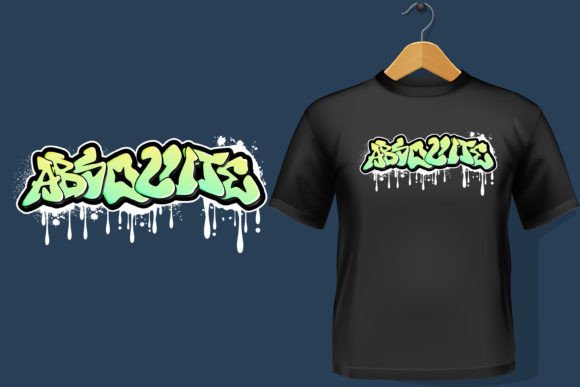
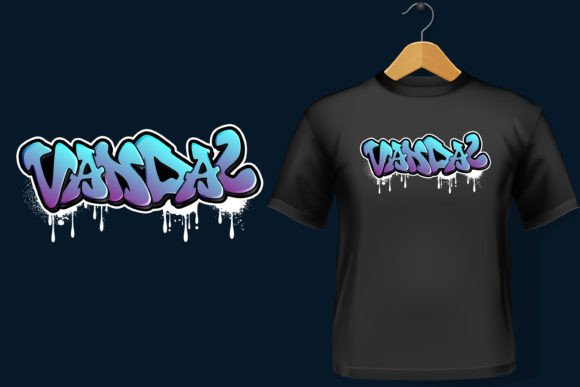
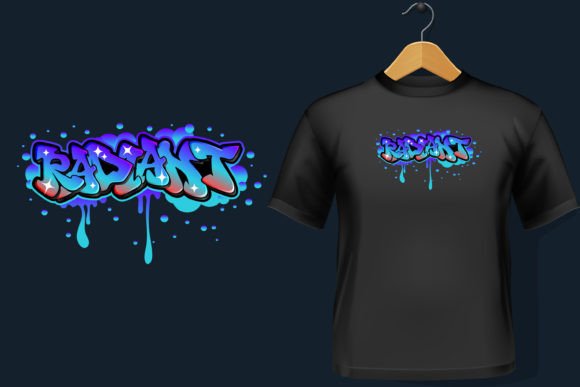
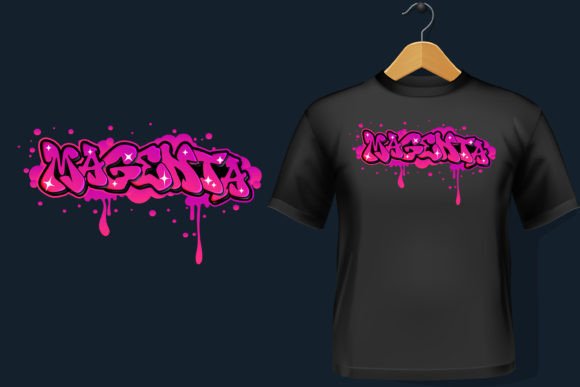
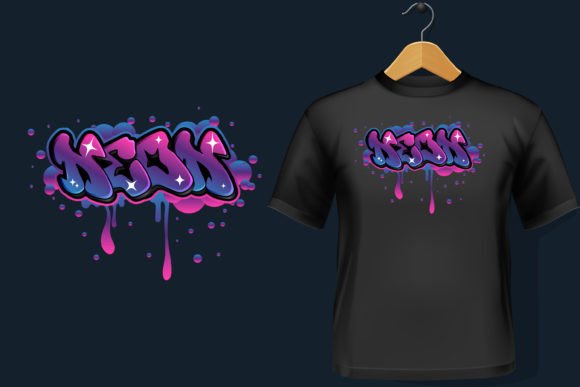
Neon immediately grabs attention with its high-contrast, edgy style. The lettering is sharp, dynamic, and full of attitude. It feels like something you’d see on a street mural or a rebellious t-shirt. The layout is clean but bold, making it versatile enough for a range of projects. The design doesn’t shy away from detail—each letter is crafted with a sense of purpose, and the overall composition has a modern, urban vibe that can work well in both casual and trendy settings.
When I first viewed the file, I was struck by how much personality it carries. It’s not just about the letters—it’s about the mood they create. Neon feels like it belongs on a sweatshirt, a tote bag, or even a baby onesie if you’re going for a bold, artistic look. It’s definitely not a subtle design, and that’s part of its charm.
Real-World Use: Where Neon Shines
I tested Neon on a few different fabrics to see how it would perform in real-life embroidery situations. On a cotton t-shirt, it looked great—clean lines, good definition, and enough detail to make the design stand out. The stitch density was appropriate, and the overall appearance was professional. For a custom apparel project, this design would be a solid choice.
On a heavier fabric like a sweatshirt, the design held up well. The contrast between the dark background and the bright lettering made it pop, which is exactly what you want for a statement piece. I also tried it on a lighter-colored fabric, and the results were equally impressive. The design didn’t get lost in the background, and the colors remained vibrant.
For a handmade product like an embroidered patch, Neon could be a hit. The boldness of the design makes it easy to recognize, and the detail level is sufficient for a quality patch. It could also work well as a decorative accent on an apron or a cap. However, I would recommend testing it on a small hoop before committing to a larger project.
Where to Be Cautious: Limitations and Considerations
While Neon is a strong design, it’s not without its limitations. On smaller hoop sizes, the details might get lost, especially in areas with intricate corners or tight spacing. If you’re working with a limited hoop size, you may need to simplify or adjust the design to ensure it still looks good after stitching.
Textured fabrics or thin, stretchy materials could also pose a challenge. The design relies on clear, defined lines, and if the fabric isn’t stable, the stitches might not hold up as well. I’d advise using a proper stabilizer to keep the fabric from shifting during the embroidery process.
Another thing to consider is the placement of the design. On curved surfaces like caps or hoods, the lettering might not lie flat as intended. You may need to adjust the design slightly or choose a different placement to maintain the integrity of the look.
Impact on Visual Appeal and Customer Perception
Neon has a strong visual appeal that can make a finished product stand out. Its boldness can add value to a handmade item, especially if it’s being sold as a unique, artistic piece. Customers often respond positively to eye-catching designs, and Neon has the potential to attract attention in a crowded market.
From a branding perspective, this design could help reinforce a consistent aesthetic. If your shop or business has a modern, edgy vibe, Neon could be a great fit. It also works well for holiday or seasonal projects, adding a fresh, energetic feel to any product.
For an Etsy seller or small shop owner, the design’s versatility is a big plus. It can be used across multiple product types, from t-shirts to pillows, and even as a printable mockup for digital product previews. The key is to use it in a way that aligns with your brand and target audience.
Practical Designer Notes: What to Check Before Using
Before finalizing any project with Neon, I recommend doing a few quick tests. Start by stitching it on scrap fabric to see how the stitches look. Pay attention to the thread color contrast—some colors may not show up as well on certain fabrics. Also, check the stitch density to make sure it’s suitable for the material you’re using.
Make sure the design fits within your hoop size. If it’s too large, you may need to split it or adjust the layout. Inspect the small details closely—tiny lettering or intricate corners can sometimes be tricky to stitch accurately.
Test the design in black and white mockups to see how it looks without color. Compare it against both light and dark fabric backgrounds to ensure it remains visible and effective. Always use the right stabilizer for the fabric type, and double-check the licensing terms before selling any finished items or digital products.
Final Thoughts: Neon as a Statement Design
Neon is a design that demands attention. It’s not for the faint of heart, but for those who want to make a bold impression, it’s a solid choice. Whether you’re creating custom apparel, personalized gifts, or commercial embroidery projects, this design has the potential to add a unique flair to your work.
As a designer, I appreciate the confidence and clarity in the design’s execution. It’s clear that the artist behind Neon put thought into every detail. While it may not be the best fit for every project, when used appropriately, it can elevate a product and make it more memorable for customers.
If you’re looking for a design that stands out, Neon is worth considering. Just remember to test it thoroughly and use it where it will have the most impact. With the right approach, this design can become a valuable addition to your embroidery toolkit.