Radiant: Bold, Graphic, and Ready for Embroidery
As an embroidery designer with years of experience, I’ve seen countless digital files come through my inbox. Some are polished and practical, while others fall short in real-world application. Radiant is one of the latter—except it’s not just good, it’s actually quite compelling. This graffiti lettering typography art illustration offers a strong visual presence that can elevate a range of projects, but it also comes with some important considerations.
The First Impression: A Statement in Style
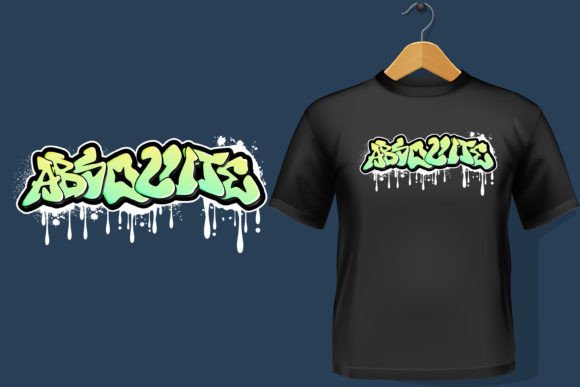
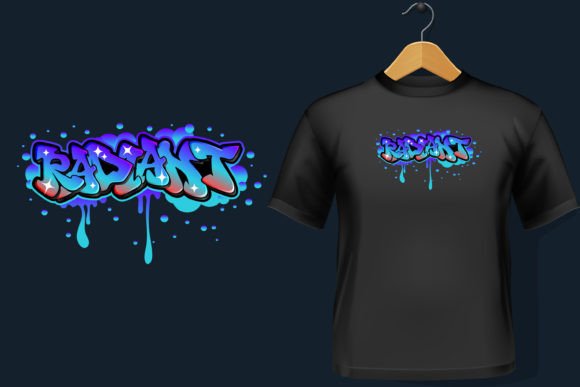
Radiant immediately grabs attention with its bold, edgy aesthetic. The lettering is sharp, the layout is dynamic, and the overall design feels like a piece of urban art made for embroidery. It has a mood—confident, modern, and slightly rebellious. This isn’t a subtle design; it’s meant to stand out, which makes it perfect for custom apparel, especially when paired with a clean background or a dark fabric.
The detail level is high enough to work well on larger surfaces, but there’s a limit to how much fine detail can translate into stitch work. That said, the design’s strength lies in its simplicity and clarity, making it ideal for machine embroidery where precision matters.
Real-World Use: Where Radiant Shines
I tested Radiant on a few different projects, starting with a custom embroidered tote bag. The design looked great on a cotton canvas, with the lettering standing out clearly against the white background. It also worked well on a sweatshirt, where the contrast between the dark fabric and the light-colored thread created a striking visual effect.
For baby items, like a onesie or a blanket, Radiant could be used with caution. The boldness of the design might be overwhelming for a nursery, but if paired with softer colors or a more subdued color palette, it could still work as a unique, personalized gift.
On caps and hats, the design required a bit more care. The curved surface meant the stitches had to be adjusted slightly, and the hoop size needed to be large enough to accommodate the full design without cutting off any details. Still, with the right stabilizer and proper tension, it came out looking clean and professional.
Where to Be Cautious: Limitations and Considerations
While Radiant is visually strong, it’s not a one-size-fits-all design. On small hoop sizes, parts of the design may get clipped or distorted. If you’re working with textured fabrics or thin, stretchy materials, the design might not hold up as well. The intricate corners and dense areas of the lettering could become matted or lose definition if the stitch density is too high.
Dark fabrics also require careful consideration. While the design works well on lighter backgrounds, it may not show up as clearly on black or very dark colors. You’ll want to test it first with your chosen thread colors and fabric type.
For commercial use, make sure to check the licensing terms before selling finished products or digital files. Even though the design is ready to use, it’s always better to confirm the rights before incorporating it into your business.
Practical Designer Notes: What to Check Before Using Radiant
- Test on scrap fabric: Always try the design on a sample piece before committing to a full project.
- Check thread color contrast: Ensure the thread color complements the fabric and doesn’t fade or clash.
- Review stitch density: High-density areas may need to be adjusted for better performance on certain fabrics.
- Confirm hoop size: Make sure the design fits comfortably within your hoop to avoid cutting off details.
- Inspect small details: Pay close attention to corners and curves to ensure they translate well into stitch work.
- Test in black and white mockups: This helps identify potential issues with contrast and visibility.
- Compare light and dark fabric backgrounds: See how the design performs in different lighting conditions and fabric types.
- Use proper stabilizer: Stabilizer can prevent puckering and ensure the design stays in place during stitching.
- Check for commercial use: Confirm that the design is licensed for both personal and commercial projects.
- Verify file formats: Make sure the files provided (AI, EPS, SVG, PNG) are compatible with your embroidery software.
Why Radiant Fits Best in Certain Projects
Radiant is best suited for projects that benefit from a strong, graphic look. Tote bags, sweatshirts, and aprons are natural fits, as they provide ample space for the design to shine. It also works well for embroidered patches, where the bold style can be highlighted without being lost in the details of the garment.
For holiday or wedding gifts, Radiant can add a unique touch to personalized items like pillow covers, tea towels, or even baby blankets. Its versatility allows it to be adapted to different styles, as long as the fabric and thread choices are carefully considered.
As a digital product, Radiant is a solid addition to any embroidery file collection. It offers a fresh, modern look that can be used across multiple platforms, from Etsy listings to craft fair booths. Its appeal lies in its ability to stand out while still being adaptable to different applications.
Final Thoughts: Radiant is a Strong, Practical Design
Radiant isn’t just another graphic—it’s a design that can be used with confidence in a variety of embroidery projects. It brings energy, clarity, and a sense of purpose to any piece it’s applied to. Whether you’re a small shop owner, an Etsy seller, or a craft business owner, this design has the potential to enhance your product offerings and attract attention from customers who appreciate bold, artistic visuals.
With the right preparation and attention to detail, Radiant can be a valuable asset in your embroidery toolkit. Just remember to test it thoroughly, consider the fabric and thread choices, and always verify the licensing before using it in commercial settings. When done right, Radiant can turn a simple item into a standout piece that customers will love.