Saddle: Bold, Graphic, and Ready for Embroidery
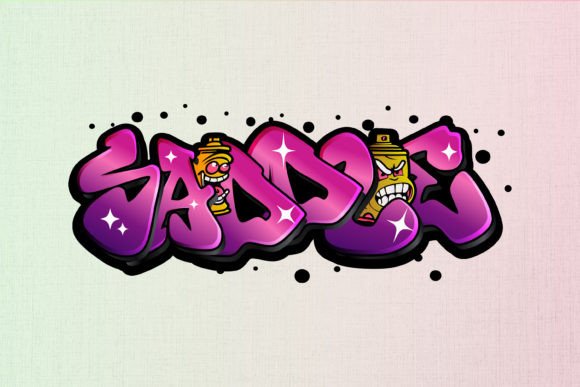
As a designer who’s worked with countless embroidery files, I always start by asking: does this design feel like it was made to be stitched? Saddle, a graffiti lettering typography art illustration, checks that box. It has a raw, edgy vibe that screams street art but still holds enough structure to work well in both handmade and commercial projects.
The First Impression: A Design That Speaks Without Words
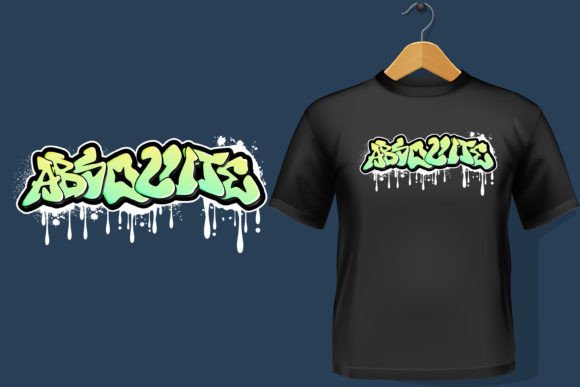
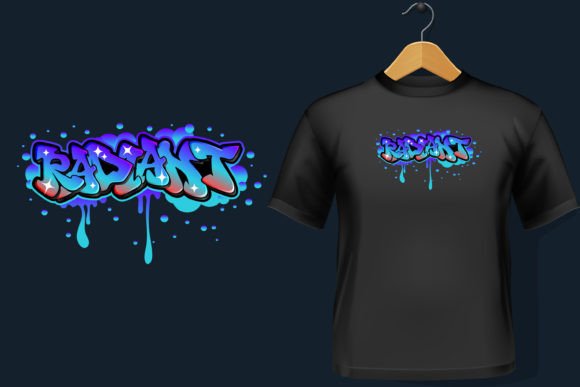
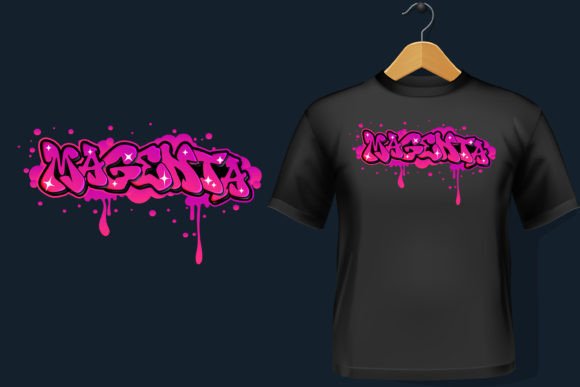
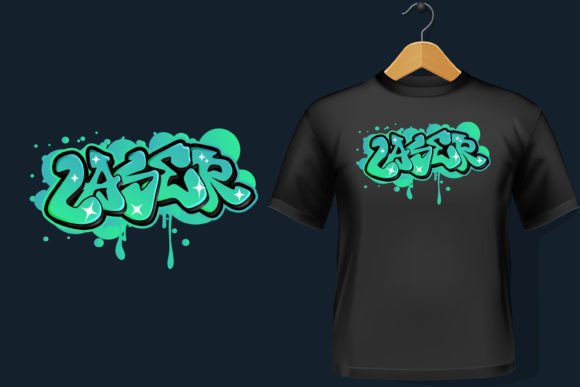
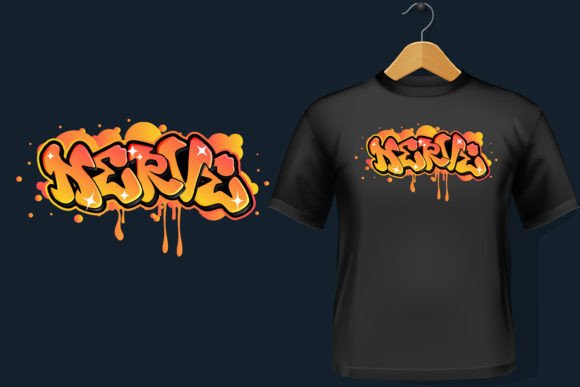
Saddle immediately grabs attention with its bold, graffiti-inspired lettering. The shapes are sharp, the negative space is intentional, and the overall layout feels balanced despite the chaotic aesthetic. It’s the kind of design that could easily become the centerpiece of a custom t-shirt, tote bag, or even a baby onesie. The typography is clean enough to read at a distance but detailed enough to add visual interest up close.
The theme is urban, modern, and slightly rebellious. It’s not subtle, but that’s part of its charm. If you’re looking for something that makes a statement, Saddle delivers. It fits well in a range of projects—especially those targeting younger audiences or those who appreciate streetwear aesthetics.
How Saddle Performs in Real Embroidery Projects
When I first saw Saddle, I imagined it on a sweatshirt or a tote bag. The design is large enough to make an impact without being overwhelming. It works well on flat surfaces like t-shirts and sweatshirts, where the stitches can lay smoothly and the details remain visible.
For a custom embroidered tote bag, Saddle would look great as a front graphic. The lettering is thick enough to stand out on light-colored fabrics, but it also has enough detail to avoid looking too basic. On darker backgrounds, the contrast might need some adjustment depending on the thread color, but that’s a common consideration for any design.
On baby clothes, Saddle could be a fun, unique touch. However, I’d recommend simplifying the design a bit for smaller items. Tiny lettering or intricate corners might not hold up well on stretchy or thin fabrics. For a baby onesie, a larger, bolder version of Saddle would work better.
Where to Use Saddle Carefully
While Saddle is versatile, there are a few situations where it might not perform as well. Small hoop sizes, for example, could limit how much of the design you can stitch at once. If you're working on a patch or a small applique, you may need to break the design into sections.
Textured or stretchy fabrics can also be tricky. Saddle’s intricate details might get lost or distorted on materials like denim or knits. Thin fabrics might require additional stabilizer to prevent puckering or distortion during stitching.
Curved surfaces like caps or hats can also challenge the design’s integrity. The lettering is straight and angular, so it might not flow naturally around a curved surface. If you're planning to use Saddle on a cap, consider adjusting the design or using a different layout.
Visual Appeal and Customer Perception
Saddle adds a strong visual punch to any project. Its bold style can elevate a simple t-shirt into a standout piece. For small business owners or Etsy sellers, this kind of design can help attract attention and set your products apart from the competition.
Stitching clarity is key when using Saddle. If the file is too dense or the stitch density is too high, it could cause the fabric to pucker or the threads to show through. Testing the design on scrap fabric before committing to a full project is a smart move.
From a customer perspective, Saddle feels like a quality product. It has the potential to increase the perceived value of a handmade item or a personalized gift. When used correctly, it can also build trust in your brand, showing that you offer unique, well-crafted designs.
Practical Notes for Embroidery Designers
Before using Saddle in any project, I recommend testing it on different fabrics. Check how the thread colors interact with the background. For dark fabrics, a lighter thread color might be necessary to maintain visibility. For light fabrics, a darker thread could add more contrast.
Review the stitch density and ensure it’s appropriate for the fabric type. If the design is too dense, it might cause the fabric to stiffen or lose its softness. Adjusting the stitch count or using a running stitch in certain areas can help maintain flexibility.
Confirm the hoop size required for the design. If the design is large, you may need a larger hoop or multiple hooping steps. Also, check if the design works for both personal and commercial use. Licensing terms can vary, so always verify before selling finished items or digital products.
Finally, don’t forget to test Saddle in black and white mockups. This helps you see how it looks without color, which is especially useful for printable mockups or digital product previews.
Conclusion: A Design That Works Well with the Right Approach
Saddle is a strong, eye-catching design that has a lot of potential in various embroidery projects. It’s ideal for custom apparel, tote bags, and other handmade items that need a bold visual presence. With the right adjustments for fabric type, hoop size, and stitch density, it can become a valuable addition to any designer’s toolkit.
Whether you're an Etsy seller, a craft business owner, or a hobbyist, Saddle offers a fresh, modern look that can elevate your products and attract the right audience. Just remember to test it thoroughly and use it where it will shine the brightest.