Tornado: Bold, Graphic, and Ready for Embroidery
As an embroidery designer with years of experience, I’ve seen countless digital files come across my desk. Some are perfect for quick projects, while others require careful consideration before use. Tornado is one of those designs that immediately catches the eye—its graffiti lettering typography art illustration has a raw energy that’s hard to ignore. But what does it actually look like when stitched out? How does it translate to real-world embroidery projects? Let’s break it down.
The First Impression: A Design That Demands Attention
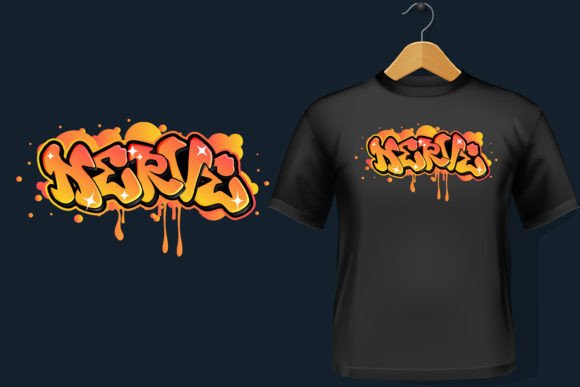
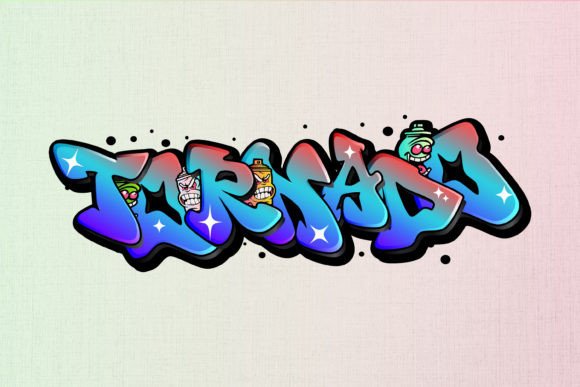
From the moment you open Tornado, it’s clear this isn’t a subtle design. The graffiti-style lettering is sharp, dynamic, and full of movement. It feels like a visual punch, which makes it ideal for bold statements on apparel, accessories, or even home decor. The layout is clean but edgy, with a strong emphasis on contrast and negative space. This kind of design doesn’t shy away from being noticed—it’s meant to stand out.
The detail level is high enough to make an impact without being overwhelming. If you’re looking for something that works well on a tote bag or a sweatshirt, Tornado could be a great fit. Its style leans toward urban aesthetics, making it a natural choice for custom apparel, streetwear, or even baby items with a modern twist.
Real-World Use: Where Tornado Shines
Let’s imagine a scenario: you’re working on a custom embroidered tote bag for a client who wants something unique. Tornado could be the perfect addition. Its bold letters would pop against a light-colored fabric, and the design’s structure allows for easy placement on a flat surface. Whether it’s for a small business, a craft fair booth, or an Etsy listing, Tornado has the potential to elevate a simple product into something memorable.
It also works well as a sweatshirt embroidery. The design’s size and shape mean it can be placed on the front or back without feeling cramped. For baby items, like onesies or blankets, Tornado could add a fun, stylized element that parents might appreciate. Just keep in mind that the design’s intensity may not be suitable for every project—especially if you’re going for a more minimalist or traditional look.
Where to Be Cautious: Limitations and Considerations
While Tornado is visually striking, it’s not a one-size-fits-all design. Small hoop sizes might struggle with the intricate details, especially around the edges of the letters. If you’re planning to use it on a cap or a hat, you’ll need to ensure the design can be split or resized appropriately. Thin or stretchy fabrics could also pose challenges, as the design’s density might cause puckering or distortion.
Dark fabrics might require a different approach, too. The design’s contrast could be lost if the thread color doesn’t stand out enough. Always test Tornado on scrap fabric first, and consider using a stabilizer to keep everything smooth and even. For layered garments or textured surfaces, the design might not stitch as cleanly, so it’s worth checking a few samples before committing to a larger batch.
Visual Appeal and Customer Perception
When it comes to customer reactions, Tornado has a good chance of making a strong impression. Its graffiti style is trendy and eye-catching, which can increase the perceived value of a handmade product or a personalized gift. Customers often gravitate toward designs that feel unique and expressive, and Tornado delivers on that front.
But it’s important to match the design with the right audience. If you’re targeting a more traditional or conservative market, Tornado might not be the best fit. However, for a creative entrepreneur, a craft business, or an Etsy seller looking to stand out, this design could be a valuable asset. It adds a sense of personality and professionalism to any finished product.
Practical Designer Notes: Testing and Preparation
Before using Tornado in a commercial or personal project, there are a few key steps to take. First, always test the design on a sample fabric. This will help you see how the stitch density and thread colors interact with the material. If you’re using it for a printable mockup, make sure the file is high-resolution and properly formatted.
Check the file formats provided—Tornado includes AI, EPS, SVG, and PNG files, which should work across most embroidery software. However, make sure your machine supports these formats and that the design scales correctly. Also, confirm that the licensing terms allow for commercial use if you plan to sell finished products or digital assets.
For applique designs or satin stitch applications, pay close attention to the outline and fill areas. Tornado’s structure should hold up well, but dense stitch areas might need extra stabilization. And don’t forget about the importance of proper thread color selection—what looks good on screen might not translate perfectly to fabric.
Final Thoughts: Tornado in Action
In the end, Tornado is a design that works best when used intentionally. It’s not a generic template—it’s a statement. Whether you’re creating a custom apparel piece, a personalized gift, or a boutique product, Tornado can add a fresh, artistic edge. But like any design, its success depends on how well it fits the project and the audience.
If you’re an embroidery designer, a small shop owner, or a craft entrepreneur, Tornado offers a compelling option for those looking to inject some energy into their work. Just remember to test it thoroughly, consider the fabric and application, and make sure it aligns with your brand and customer expectations. With the right approach, Tornado can become a standout piece in your collection.