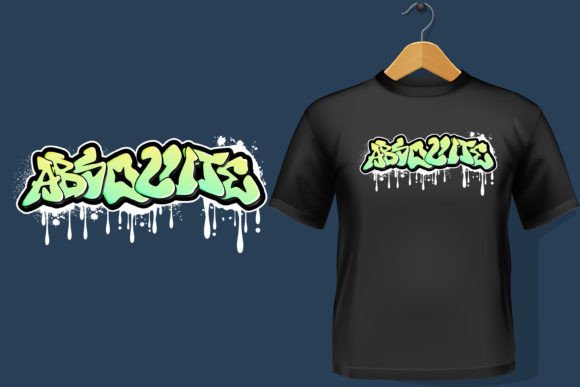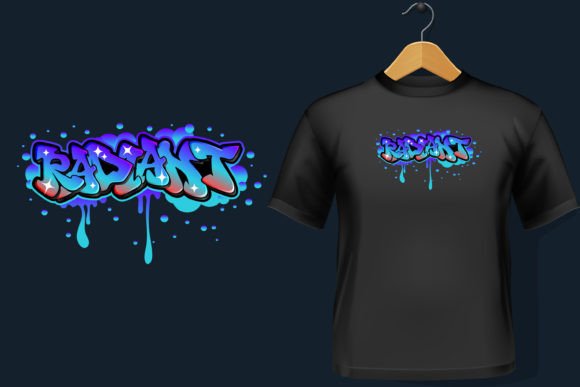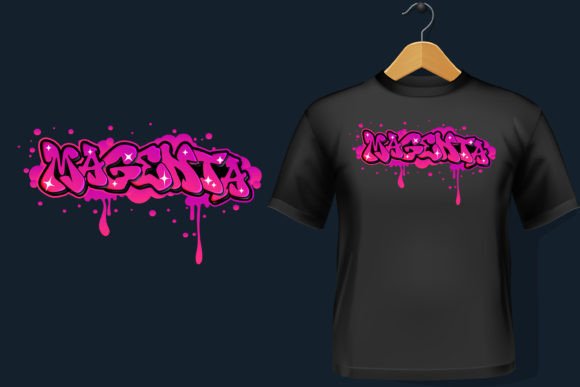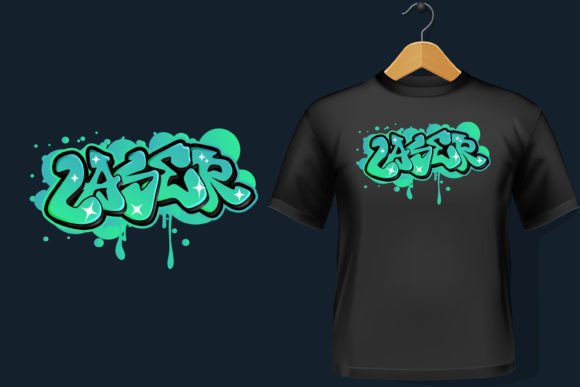
Killer: Bold, Graphic, and Ready for Embroidery
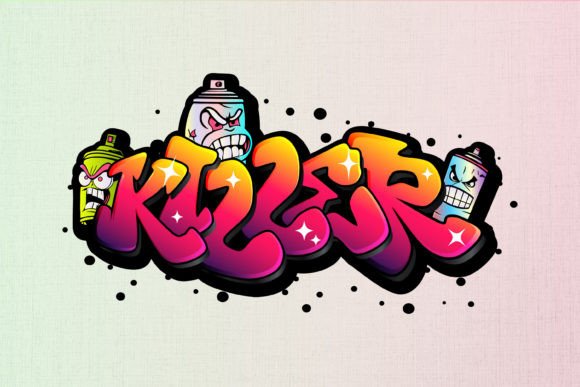
As a designer who’s worked with countless embroidery files over the years, I always start by asking myself: does this design feel like it was made with real-world use in mind? Killer, a graffiti lettering typography art illustration, certainly has that vibe. Its raw energy and graphic style make it ideal for custom apparel, but there are a few things to consider before jumping into your next project.
The First Impression: A Design That Commands Attention
Killer immediately grabs your attention with its aggressive, stylized lettering. The shapes are sharp, the layout is clean, and the overall aesthetic feels modern yet edgy. It’s not subtle, but that’s part of its charm. This isn’t a design you’d want on a delicate baby onesie, but it fits perfectly on a statement t-shirt, a bold tote bag, or a customized sweatshirt.
The detail level is high enough to stand out in machine embroidery, but not so intricate that it becomes overwhelming. The design seems to be built for impact, which makes it a strong choice for projects where visual presence matters most.
Real-World Embroidery Use Cases
When I think about where Killer would shine, it’s in projects that benefit from a strong, memorable image. Think of a custom embroidered tote bag for a music festival, a branded sweatshirt for a local shop, or a standout piece for an Etsy listing. The design’s boldness makes it perfect for eye-catching apparel, especially when paired with the right thread colors and fabric choices.
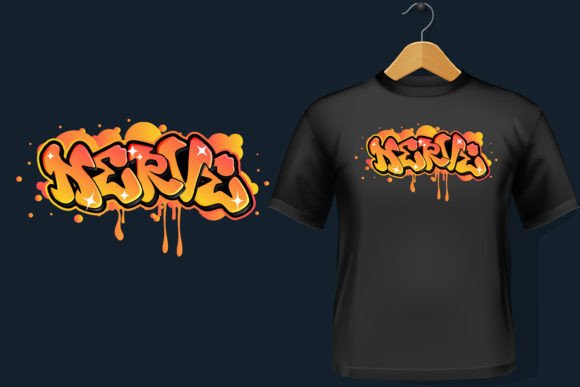
For small business owners and crafters, Killer could be a great addition to a collection of T-Shirt Designs. It’s versatile enough to work on a range of garments, from casual tees to more structured items like aprons or caps. However, the design’s size and complexity might require some adjustments depending on the project.
Where to Be Cautious: Practical Considerations
While Killer is visually striking, it’s not a one-size-fits-all design. If you’re working with small hoop sizes, you might find it challenging to fit the entire design without cropping or resizing. Similarly, if you’re planning to embroider on textured fabrics, thin materials, or stretchy garments, you’ll need to test the design first to ensure it stitches cleanly and maintains its integrity.
Dark fabrics can also be a concern. Killer’s design elements might not show up as well on black or dark backgrounds unless you use contrasting thread colors. Thin or stretchy fabrics may require additional stabilizer to prevent puckering or distortion during stitching.
Another thing to keep in mind is the design’s density. If the file includes areas with heavy stitch coverage, you might need to adjust the stitch density or use a running stitch to avoid fabric damage. For detailed corners or tiny lettering, a bit of extra care during the setup process can make a big difference in the final result.
Impact on Visual Appeal and Customer Perception
When it comes to visual appeal, Killer delivers. Its bold, graphic style is instantly recognizable and can elevate the look of any finished product. Whether you're creating a handmade product for a boutique or a personalized gift for a client, the design adds a level of professionalism that stands out.
From a customer perspective, Killer could be a strong selling point. People love unique, eye-catching designs, and this one has the potential to draw attention in both online and physical retail spaces. It’s also a good fit for commercial embroidery projects, especially when used in branded merchandise or holiday gifts.
However, it’s important to remember that not every project will benefit from such a strong design. For something more subtle or delicate, Killer might feel out of place. Always consider the context and audience when choosing a design.
Practical Tips for Using Killer in Your Projects
Before committing to a project, I recommend testing Killer on scrap fabric. This will help you see how the design looks in real life and identify any potential issues early on. Pay close attention to the stitch density and how the design interacts with different fabric textures.
Thread color contrast is another key factor. If you’re using a dark fabric, make sure the thread colors are bright enough to stand out. For lighter backgrounds, you might have more flexibility, but it’s still worth testing a few options to find the best match.
Stabilizer is crucial when working with complex designs like Killer. Depending on the fabric type, you may need to use a tear-away, cut-away, or water-soluble stabilizer to support the design and prevent puckering.
If you’re planning to sell finished products or digital files, double-check the licensing terms. Make sure the design is suitable for both personal and commercial use, and confirm that it meets any specific requirements for resale or modification.
Final Thoughts: Killer as a Statement Piece
Killer is a design that doesn’t shy away from making an impression. It’s ideal for projects that need a strong visual identity, whether you're creating custom apparel, embroidered patches, or holiday gifts. Its graphic style and bold typography make it a great fit for T-Shirt Designs and Graphics, especially when used in the right context.
That said, it’s not a design that works everywhere. It requires careful consideration of fabric type, hoop size, and stitch settings to achieve the best results. But when done right, Killer can add a powerful visual element to your embroidery projects and help set your handmade products apart from the competition.