Dazzle: Bold, Brash, and Built for Impact
As a designer who’s worked with countless embroidery files over the years, I always approach new designs with a mix of curiosity and caution. Dazzle is no exception. This graffiti lettering typography art illustration pack caught my eye not just for its aesthetic, but for how it might translate into real-world embroidery projects. Let’s break down what Dazzle brings to the table—and where it might fall short.
The First Impression: Raw Energy Meets Visual Clarity
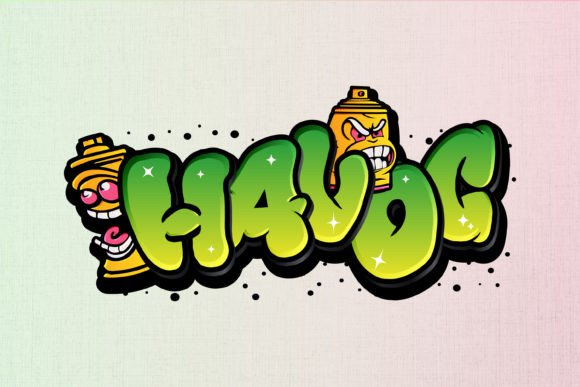
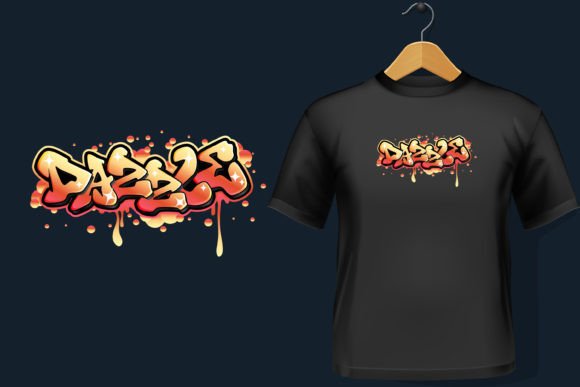
Dazzle immediately exudes a sense of rebellion and urban flair. The lettering is bold, the layout dynamic, and the overall composition feels like it was meant to be seen on a canvas or a piece of fabric that demands attention. It’s the kind of design that doesn’t just sit on a shirt—it commands it.
The detail level is high enough to make an impact without being overwhelming. There are clear areas for satin stitch, fill stitch, and even some running stitch elements that could add texture. The typography has a graffiti feel, which means it’s not the most structured or clean-cut design. But that’s part of its charm. It’s not for minimalist spaces; it’s for statement pieces.
This design would naturally fit into custom apparel, especially t-shirts, sweatshirts, and tote bags. It’s also a strong candidate for embroidered patches, caps, and even baby items if the scale is adjusted properly.
Real-World Embroidery Performance: Where Dazzle Shines
In practical terms, Dazzle works best on flat, smooth fabrics. Think of a cotton t-shirt or a heavy-duty canvas tote. The design’s structure allows for clear stitching, and the contrast between the letters and background can be adjusted based on thread color choices.
For small business owners and Etsy sellers, this design could be a hit in the right niche. It’s ideal for holiday gifts, personalized products, and boutique branding. The graffiti style adds a modern edge that appeals to younger audiences, making it a good fit for craft fair products and handmade shop listings.
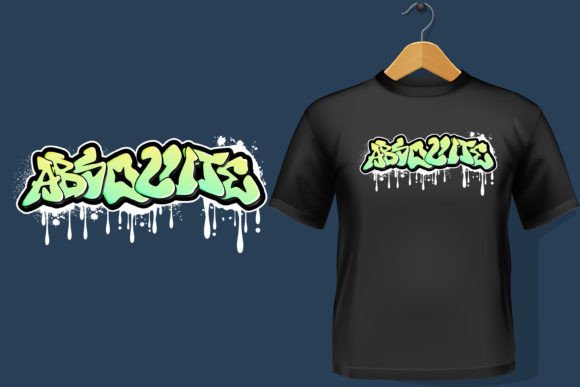
When used on sweatshirts or aprons, Dazzle maintains its visual appeal without looking too busy. It’s also versatile enough to work as a printable mockup or digital product preview, which is a big plus for designers who need to showcase their work before production.
Where Dazzle Needs Careful Handling
That said, Dazzle isn’t a one-size-fits-all design. If you’re working with small hoop sizes, this design may require multiple hooping sessions, which can be time-consuming and increase the risk of misalignment. Thin or stretchy fabrics might cause the stitches to pull or distort, so a proper stabilizer is essential.
On dark fabrics, the design’s contrast can be tricky. Light-colored thread might not show up well, while dark threads could overpower the details. Testing on a scrap fabric first is crucial. Similarly, if you’re planning to use Dazzle on a curved surface like a cap or a hat, the design’s sharp corners might not translate as smoothly as on flat surfaces.
Small lettering and dense stitch areas could become problematic if not handled carefully. The design’s complexity might lead to thread breakage or uneven stitching if the machine settings aren’t optimized. For commercial embroidery projects, this means extra attention to stitch density and thread color selection.
Impact on Visual Appeal and Customer Perception
When done right, Dazzle adds a lot of value to any finished product. Its boldness makes it instantly recognizable, which is great for brand consistency and customer trust. A well-executed embroidered patch or tote bag featuring Dazzle can elevate a handmade product from ordinary to standout.
From a marketing perspective, this design is highly giftable. It’s perfect for personalized gifts, whether for friends, family, or clients. The graffiti style also gives it a unique edge that can help small shop products stand out in a crowded market.
For creative entrepreneurs and digital product sellers, Dazzle offers a solid foundation for design assets. It’s adaptable enough to work in both personal and commercial projects, provided the licensing terms allow for it. Always double-check the license before selling finished items or digital products.
Practical Designer Notes: What You Need to Know
Before jumping into an embroidery project with Dazzle, here are a few key steps to take:
- Test the design on scrap fabric to see how it looks in different thread colors and fabric textures.
- Review the stitch density to ensure it’s suitable for your machine and the fabric you’re using.
- Confirm the hoop size required for the design—some complex files may need larger hoops than expected.
- Inspect small details closely, especially if you’re planning to use it on baby clothes or delicate items.
- Try the design in black and white mockups to see how it translates without color.
- Compare it against both light and dark fabric backgrounds to determine the best thread color options.
- Use the right stabilizer for your fabric type to prevent puckering or distortion.
- Check whether the design works for both personal and commercial projects, and confirm the licensing terms before selling.
Final Thoughts: Dazzle as a Statement Piece
Dazzle is not a subtle design. It’s loud, it’s confident, and it’s built to make an impression. Whether you’re creating custom apparel, embroidered patches, or small shop merchandise, this design has the potential to elevate your work if used thoughtfully.
It’s not without its challenges, especially when it comes to fabric compatibility and stitch execution. But for the right audience and the right application, Dazzle can be a powerful addition to your embroidery project arsenal.
If you’re looking for something that stands out, Dazzle delivers. Just be sure to handle it with care and test it thoroughly before committing to a final product.